Jogyesa Temple Festivals, Temple Stay & Things to Do
Stepping into Jogyesa Temple in the heart of Seoul feels like finding a quiet, vibrant secret, a splash of ancient calm amidst the city's relentless energy. My first visit years ago was during the Lotus Lantern Festival, an experience that introduced me to the sheer beauty of the annual jogyesa temple lantern festival. It is a place of deep spiritual significance, yet it welcomes everyone with open arms, offering so much more than just a pretty photo opportunity. This article is your guide to truly experiencing Jogyesa, from its incredible festivals and the unique chance to try a temple stay, to simply wandering its grounds and finding peace. We will cover the big events, tell you what to look for when you visit, and offer some honest tips for making the most of your time at this truly special spot.Book your Jogyesa Temple experience:
Celebrating Life: Jogyesa Temple Festivals and Seasonal Displays
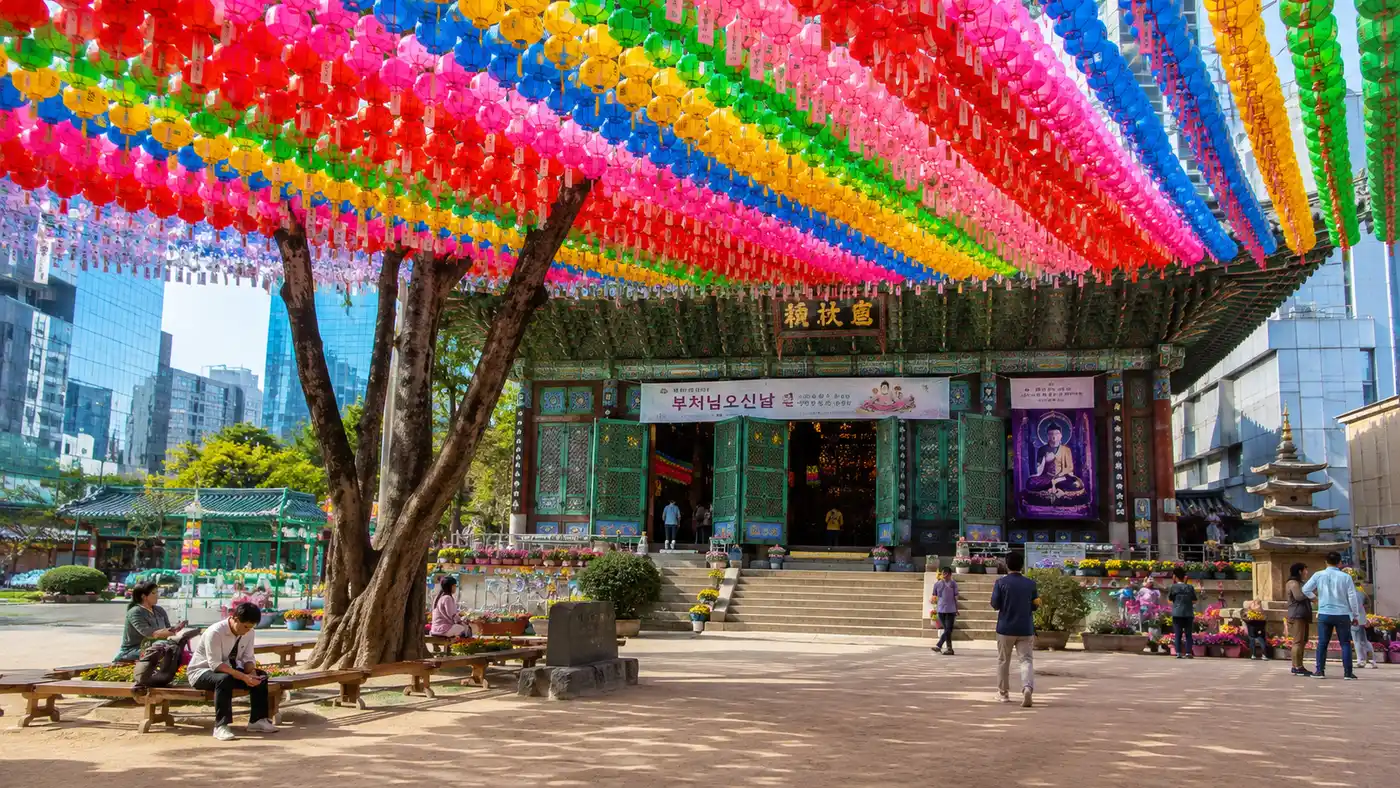
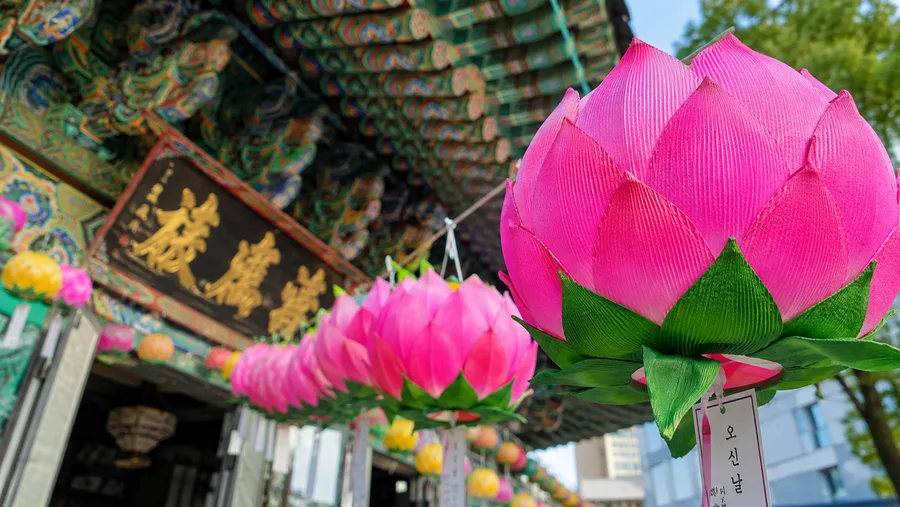
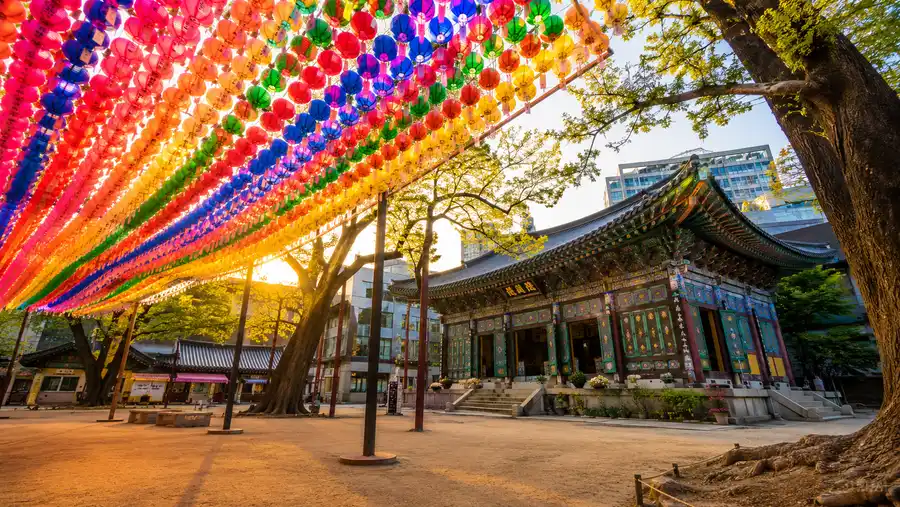
Jogyesa is probably most famous for its festivals, and for good reason. The entire temple grounds transform into something magical several times a year. The biggest, without a doubt, is the Lotus Lantern Festival, or Yeon Deung Hoe, leading up to Buddha's Birthday. This usually happens in May, though the exact date shifts with the lunar calendar. Thousands of colorful lanterns, many shaped like lotus flowers, fish, or elephants, fill every available space. They hang from the eaves, string across courtyards, and create glowing tunnels. You see all sorts of jogyesa temple lanterns, some are white lanterns, simple and elegant, others burst with every color imaginable. It is an absolutely breathtaking sight, especially the jogyesa temple at night. The main lantern parade, which winds through downtown Seoul to the temple, is spectacular. Honestly, it is one of the most vibrant cultural events I have ever witnessed. People carry their own handmade lanterns, sometimes in traditional costumes, singing and dancing. You can also participate in various activities at the temple during this time, like making your own lotus lantern or trying some traditional temple food. I remember trying some spicy rice cakes one year, a little different from the usual street food. Autumn brings its own charm with the Chrysanthemum Festival, a beautiful display of meticulously arranged chrysanthemums. This is usually in October or November, depending on the year. The entire courtyard becomes a garden of these flowers, sculpted into various shapes like pagodas or animals. It is a much quieter, more contemplative atmosphere than the spring festival, perfect for a crisp autumn afternoon. You will see people sitting on benches, just taking it all in.Pro tip: Check the official Jogyesa Temple website a few months in advance for specific festival dates. The lunar calendar means they shift annually, and you do not want to miss the jogyesa temple lantern festival if that is your main goal.
A Glimpse of Monastic Life: The Jogyesa Temple Stay
If you are looking for a deeper immersion into Korean Buddhist culture, a templestay at Jogyesa Temple is a truly unique opportunity. It is not just about sleeping in a temple; it is a structured program designed to give visitors a taste of monastic life. They offer different programs, from a one-night stay to a longer experience, and even shorter day programs. I have not done the full overnight stay here myself, but friends who have describe it as incredibly peaceful and eye-opening. The typical schedule includes things like morning chanting, meditation (Seon meditation, which is Korean Zen Buddhism), tea ceremonies, and communal meals. You will learn about the temple's history and the principles of Buddhism. Some programs even include jogyesa temple cooking classes, where you learn to prepare traditional temple food. This is a big part of the experience, as temple food is entirely vegetarian and focuses on natural, seasonal ingredients. It is surprisingly delicious, honestly.Note: Temple stays are not a hotel experience. You sleep on a mat on the floor, wake up early, and participate in all activities. It is a chance for reflection and simplicity, so come with an open mind and respect for the monastic environment.
- Program options: One-day, one-night/two-day, or multi-day retreats.
- Typical activities: Chanting, meditation (prostration, sitting), tea ceremony, formal monastic meals (barugongyang), communal work, dharma talks.
- Cost: Usually around 50,000 to 80,000 KRW for a one-night stay, but confirm current prices.
- Reservations: Essential, often required weeks in advance, especially for weekend programs.
| Program Type | Duration | Approx. Price (KRW) | Focus |
|---|---|---|---|
| One-Day Experience | 3-4 hours | 20,000 - 30,000 | Tea ceremony, basic meditation |
| Overnight Stay | 1 night / 2 days | 50,000 - 80,000 | Full monastic routine, meals |
| Extended Retreat | 2+ nights | 100,000+ | Deeper meditation, workshops |
Beyond the Main Hall: Exploring the Temple Grounds and Nearby Wonders
Even if you are not there for a festival or a temple stay, there is plenty to do during a jogyesa temple tour. The temple itself is not huge, but it is packed with interesting details. The main hall, Daeungjeon, is one of the largest in Korea, and inside you will find three massive golden Buddha statues. The intricate paintings on the walls and ceiling are incredible, telling stories from Buddhist scripture. I always find myself just staring up at them for a while. Outside, look for the two ancient trees that dominate the courtyard - a 500-year-old White Pine and a 450-year-old Chinese Scholar tree. They are truly majestic, providing shade and a sense of timelessness. You will also notice the seven-story stone pagoda, which houses relics of the Buddha. The grounds are meticulously kept, always clean and peaceful. A small souvenir shop near the entrance sells Buddhist artifacts, incense, and books. It is a good place to pick up a small memento. Sometimes, during special events, you might even see a jogyesa temple salt mandala being created, a beautiful and temporary art form made from colored salt, symbolizing impermanence. It is a very meditative process to watch. Jogyesa Temple is also perfectly situated for exploring other parts of Seoul. It is right in the Insadong neighborhood, famous for its traditional crafts, tea houses, and art galleries. You can easily spend an entire afternoon wandering around there. Just a short walk away is the Cheonggyecheon Stream, a beautiful urban waterway where people stroll, relax, and sometimes enjoy public art installations. The Seoul Lantern Festival, which is distinct from the jogyesa temple lantern festival, often takes place along this stream in the autumn, featuring elaborate light displays that are totally different from the temple's traditional lanterns. It is a nice combination, Cheonggyecheon Stream & Jogyesa Temple. For details on how to get there, our guide on How to Get to Jogyesa Temple: Location & Directions will give you all the transportation information you need. It is actually quite easy to reach by subway.Book your Jogyesa Temple experience:
Practical Tips for Your Visit to Jogyesa Temple
Visiting Jogyesa Temple is pretty straightforward, but a few things can make your experience even better.- Best time to visit: Early morning, right after it opens, is incredibly peaceful. You will mostly share the space with monks and local worshippers. Evenings, especially during the jogyesa temple night, are also magical with the lanterns lit up. Avoid midday if you dislike crowds.
- Dress Code: While there is no strict dress code for casual visitors, remember it is a place of worship. Dress respectfully - shoulders and knees covered are always a good idea. Take off your shoes before entering the main hall. For more detailed info, check out Jogyesa Temple: Hours, Fees, Dress Code & Visitor Info.
- Photography: Generally allowed, but be respectful. Do not use flash inside the main hall or during religious ceremonies. Always ask permission if you want to photograph people up close.
- Guided Tours: Sometimes the temple offers free guided tours in English, often led by volunteers. Check at the information desk near the main entrance. A jogyesa temple tour with a guide can really enhance your understanding.
- Food options: There is usually a small temple restaurant or snack area that serves simple vegetarian meals. It is a great way to try authentic jogyesa temple food.
Frequently Asked Questions about jogyesa temple lantern festival
When is the jogyesa temple lantern festival held?
The Jogyesa Temple Lantern Festival, part of the larger Lotus Lantern Festival, typically occurs in May leading up to Buddha's Birthday, which follows the lunar calendar. The exact dates shift annually, so check the official temple website for current year information.
Can I participate in the lantern festival activities at Jogyesa Temple?
Yes, visitors can often participate in various activities during the festival, such as making their own lotus lanterns, trying traditional temple food, or watching cultural performances. Some may even join parts of the parade.
Is there an entrance fee to visit Jogyesa Temple during the lantern festival?
No, there is generally no entrance fee to visit Jogyesa Temple itself, even during the lantern festival. Some specific workshops or activities might have a small charge, but wandering the decorated grounds is free.
Quick Reference
- Main festival: Lotus Lantern Festival (Buddha's Birthday)
- Location: Insadong, Central Seoul
- Best viewing: Evening for lanterns
- Temple Stay: Offers cultural immersion
- No entrance fee for general visit
Book your Jogyesa Temple experience:
My Take on Jogyesa Temple
Honestly, Jogyesa Temple is more than just a pretty landmark. It is a living, breathing spiritual center that offers a genuine connection to Korean culture and Buddhism. Whether you are there to witness the dazzling jogyesa temple lantern festival, to find quiet contemplation, or to embark on a temple stay, it provides a truly enriching experience. Do not just tick it off your list; allow yourself to slow down and truly feel the unique energy of this place. It is a powerful reminder that peace can be found even in the busiest of cities.Read more about Jogyesa Temple.