Beyond Jogyesa: Other Buddhist Temples in Seoul & Korea
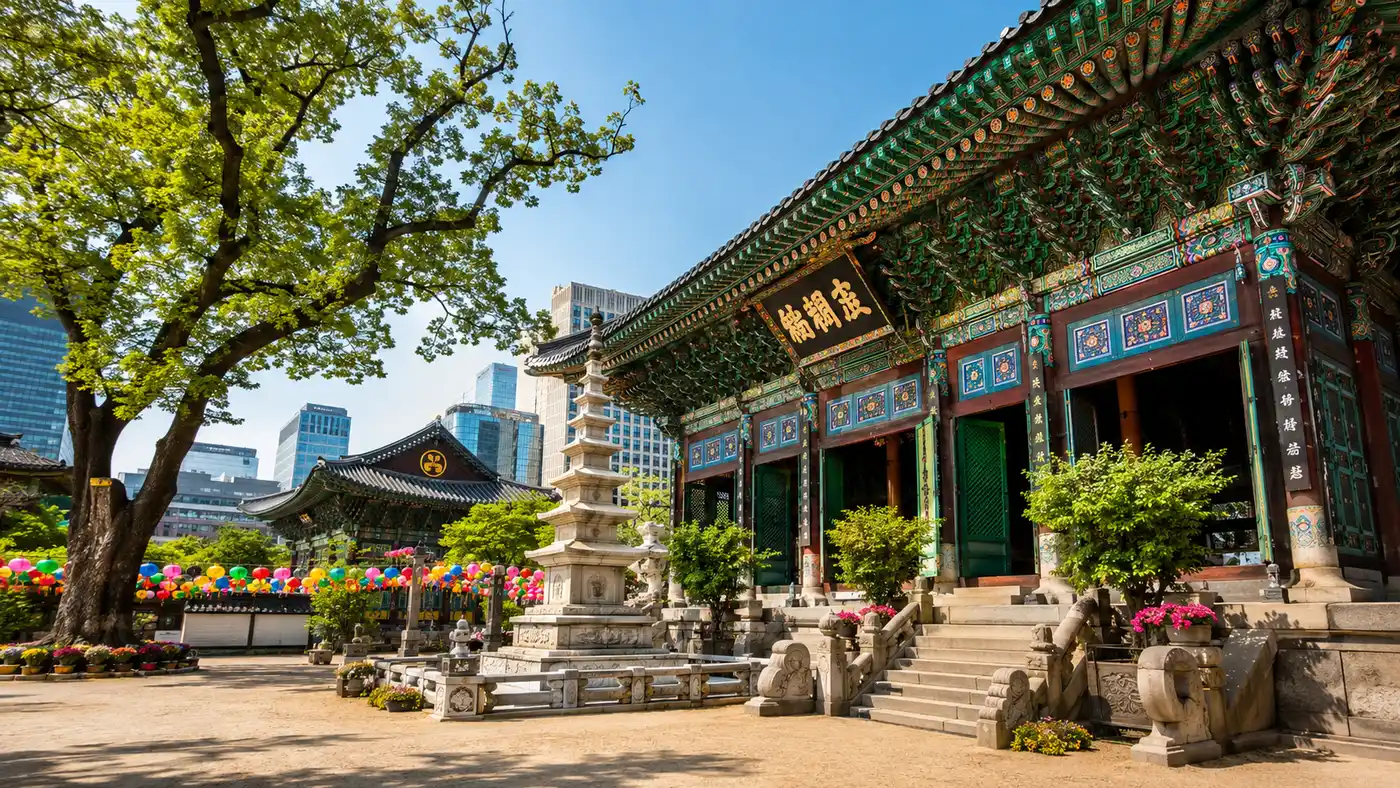
Jogyesa Temple often gets all the attention when people talk about the best buddhist temples in seoul. It is centrally located, sure, and quite beautiful with its vibrant lanterns. Many visitors start there, and honestly, it is a great introduction to the serene world of Korean Buddhism right in the middle of a bustling city. But Seoul, and the wider South Korea, holds so many other incredible Buddhist temples, each with its own unique charm and history.
You might be surprised by the variety. Some are ancient, tucked away in quiet mountains. Others stand as modern havens amidst skyscrapers. This guide will take you beyond the familiar, helping you discover other amazing Korean temple experiences, whether you're looking for a peaceful escape or a deeper dive into Korea's spiritual heritage.
Book your Jogyesa Temple experience:
Bongeunsa Temple: A Modern Buddhist Temple in Seoul
Just across from the towering COEX Convention Center in Gangnam, Bongeunsa Temple offers a fascinating contrast. You're surrounded by glass and steel, then suddenly, you step through its gates into a tranquil oasis. It is a stunning example of a working monastery that has managed to thrive amidst rapid urban development.
I remember my first visit; the sheer scale of the Main Hall and the intricate carvings on the drums were just mesmerizing. It was built in the 8th century, though much of what you see today is from later reconstructions after various fires. They have a massive statue of Maitreya Buddha, the future Buddha, which stands over 23 meters tall. It is quite a sight, especially at dusk when the lights come on. This particular temple in Korean culture often hosts temple stay programs, which are a really cool way to experience monastic life for a day or two. You can find more information about these kinds of immersive programs if you look up "Jogyesa Temple Festivals, Temple Stay & Things to Do" on our site, as many temples offer similar experiences.
Pro tip: Visit Bongeunsa in the early morning, around 6:00 AM. You might catch the monks during their morning chanting, a truly peaceful and authentic experience before the crowds arrive. It is a wonderful way to start your day.
The temple grounds are surprisingly expansive for being in such a prime location. There are several smaller halls, beautiful pagodas, and even a tea house where you can sit and reflect. It is a perfect spot to just wander, breathe deeply, and forget you're in one of the most expensive districts of Seoul. Seriously, it is a world apart. Sometimes, they even have free English tours, so check their website beforehand if that interests you.
Gilsangsa Temple: Urban Serenity in Seongbuk-dong
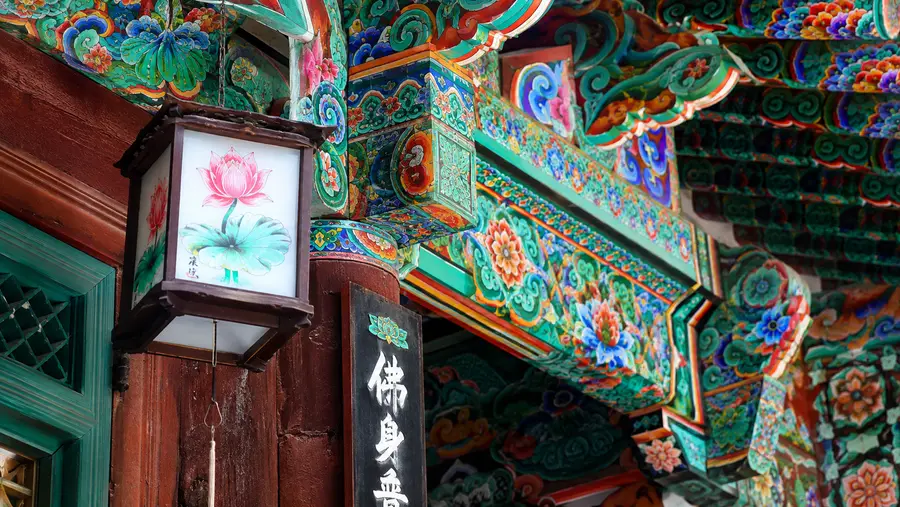
For a different vibe, head north to Seongbuk-dong and discover Gilsangsa Temple. This isn't an ancient temple in the traditional sense. It actually started as a fancy restaurant called Daewongak. The owner, a very wealthy lady named Kim Yeong-han, donated the entire property to the Venerable Beopjeong, a highly respected Zen master, in 1997. She wanted it to become a temple, a place for spiritual practice.
The transformation from a restaurant to a Buddhist temple in Seoul is quite remarkable. You can still see hints of its former life in the layout, but the atmosphere is undeniably serene. It feels more like a quiet retreat, less like a tourist attraction. The buildings are beautiful, set into a hillside, and the surrounding gardens are meticulously kept. It is a great place for a quiet afternoon stroll, a bit off the beaten path for most tourists.
I found it incredibly peaceful there one autumn day, the leaves turning brilliant shades of red and gold. There weren't many people, just a few locals meditating or quietly walking the grounds. It felt very authentic, like a true neighborhood temple. They also have a lovely vegetarian restaurant nearby that I highly recommend. It is called Sanchon, I think. A fantastic spot for traditional Korean temple food.
Mountain Temples: Bukhansan National Park & Beyond
If you're willing to put in a little effort, some of the most rewarding Korean temple experiences are found nestled in the mountains. Bukhansan National Park, right on Seoul's doorstep, is home to dozens of temples and hermitages. These aren't just pretty places; they're active centers of worship, often with monks who have dedicated their lives to mountain asceticism.
Doseonsa Temple is one of the more accessible ones within Bukhansan. It dates back to the Silla Dynasty, founded by the monk Doseon in 862 AD. The temple is famous for its large, seated Maitreya Buddha carved into a natural rock cliff. It is truly impressive. Getting there involves a bus ride up the mountain, then a bit of a walk, but the views are incredible, and the air is so fresh compared to the city. I honestly think it's worth the trip for the scenery alone, even if you just spend 30 minutes at the temple.
Note: Some mountain temples, especially those higher up, might have steeper paths or require a moderate hike. Wear comfortable shoes and bring water, particularly if you're visiting in warmer months. Check accessibility before you go.
Another option, if you have a full day, is Jeondeungsa Temple on Ganghwa Island, west of Seoul. It is one of the oldest existing temples in Korea, believed to have been founded in the 4th century. The drive out there takes about an hour and 40 minutes, but the island itself is full of history. Jeondeungsa is particularly known for its unique naked woman figure carved under the eaves of the Daeungbojeon Hall, which is said to be a monk's revenge on a woman who stole from him. A quirky detail in a very ancient place. This south korea buddha temple offers a glimpse into centuries of history, far from the urban bustle.
Book your Jogyesa Temple experience:
Practical Tips for Visiting a Korean Temple
Visiting a temple in Korean culture is generally a peaceful and respectful experience. There aren't usually strict dress codes like in some other countries, but modest attire is always appreciated. Shoulders and knees covered are a good general rule. Most temples are free to enter, though some might have a small entrance fee, maybe around ₩3,000 to ₩5,000 for adults, which helps with upkeep.
When you enter a temple hall, remove your shoes. Try not to point your feet towards the Buddha statue. Be quiet, and if you want to take photos, do it discreetly without disturbing anyone. Monks often appreciate it if you ask permission before taking their picture. It's really just about being mindful of your surroundings and showing respect for a place of worship.
- Best time to visit: Early morning or late afternoon for fewer crowds and beautiful light. Avoid major public holidays unless you enjoy very busy places.
- Dress code: Modest clothing is respectful. Avoid overly revealing attire.
- Photography: Generally allowed, but be discreet inside halls. Ask permission before photographing monks.
- Temple Etiquette: Remove shoes before entering halls. Avoid loud talking. Don't point your feet at Buddha statues.
I put together a little comparison of a few temples to help with planning. Keep in mind, travel times are approximate from central Seoul, like Myeongdong or Insadong.
| Temple Name | Location | Approx. Travel Time | Entrance Fee (Adult) | Key Feature |
|---|---|---|---|---|
| Jogyesa Temple (조계사) | Jongno-gu, Seoul | 15 minutes (subway/bus) | Free | Central location, vibrant lanterns |
| Bongeunsa Temple | Gangnam-gu, Seoul | 35 minutes (subway) | Free | Modern setting, giant Maitreya Buddha |
| Gilsangsa Temple | Seongbuk-dong, Seoul | 40 minutes (bus/subway) | Free | Quiet retreat, former restaurant |
| Doseonsa Temple | Bukhansan, Seoul | 60 minutes (bus/walk) | Free | Mountain setting, rock-carved Buddha |
| Jeondeungsa Temple | Ganghwa Island | 1 hour 40 minutes (bus) | ₩3,000 | Ancient history, unique carvings |
Frequently Asked Questions about best buddhist temples in seoul
Are all Buddhist temples in Seoul free to enter?
Most temples in Seoul, including major ones like Jogyesa and Bongeunsa, do not charge an entrance fee. Some smaller or more remote temples, especially those outside the city like Jeondeungsa, might have a modest fee, usually around ₩3,000 to ₩5,000, to help with maintenance.
What is the best way to get to a korean temple outside of central Seoul?
For temples within Seoul but a bit further out, like Bongeunsa or Gilsangsa, the subway and local buses are excellent. For temples in Bukhansan, you'll likely combine subway and a specific mountain bus. For places like Jeondeungsa on Ganghwa Island, a intercity bus from a terminal like Sinchon or Hapjeong is your best bet.
Can I participate in temple stay programs at these temples?
Yes, many prominent Buddhist temples in South Korea offer temple stay programs, allowing visitors to experience monastic life. Bongeunsa is a well-known option in Seoul for this. It's always a good idea to check the individual temple's website for availability and booking information, as programs vary.
Quick Reference
- Many Seoul temples are free to enter.
- Dress modestly, remove shoes in halls.
- Bukhansan offers mountain temple experiences.
- Bongeunsa is a modern temple in Gangnam.
- Temple stays offer cultural immersion.
Book your Jogyesa Temple experience:
Worth the Trip?
Absolutely. While Jogyesa is a fantastic starting point for exploring the best buddhist temples in seoul, the city and surrounding areas offer so much more. Each temple tells a different story, reflecting centuries of history, artistic expression, and spiritual devotion. Whether you're seeking quiet contemplation, stunning architecture, or a deeper understanding of Korean culture, there's a temple out there for you. Don't be afraid to venture a little further; you might just find your new favorite peaceful spot.
Read more about Jogyesa Temple.